Besisahar To Manang Road Guide: Conditions, Travel Time & Jeep Booking
By Nepal Tourist Vehicle 04 Oct 2026

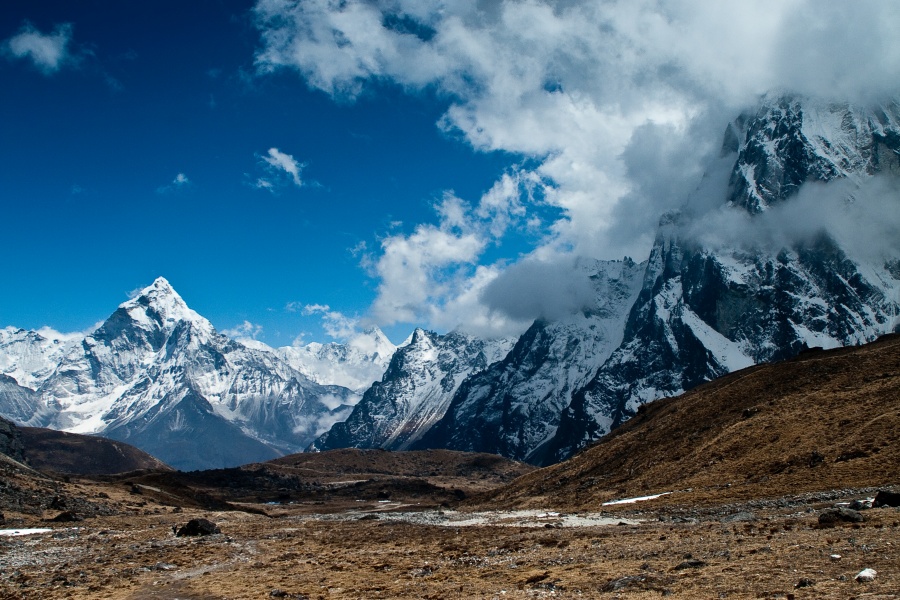
Driving from Besisahar to Manang is one of the most dramatic overland journeys in Nepal. In just under 100 km, the road climbs from the subtropical lowlands of Lamjung to the high, dry Manang Valley, following the Marsyangdi River through deep gorges, past thundering waterfalls and into pine forest beneath the Annapurna and Chulu peaks. The distance looks short on a map, but the terrain is what sets the pace. Here is everything you need to know before you go.
Current Road Conditions & Terrain
Shortly after Besisahar, the paved road gives way to an unsealed mountain track. From here to Manang, the route is a narrow, rocky, high-clearance 4WD road cut into steep hillsides and cliff faces above the Marsyangdi River. Ordinary cars, minibuses and two-wheel-drive vehicles cannot make this journey.
Besisahar to Chame (approx. 65 km) — the toughest section
This is the most demanding and adrenaline-filled part of the drive. The road passes through villages such as Bhulbhule, Ngadi, Jagat, Tal, Dharapani and Koto as it climbs through the narrow Marsyangdi gorge. Expect:
- Constant jolts and bumps over loose rock and deep ruts
- Single-lane cliffside stretches with sheer drops to the river below, where vehicles must reverse or wait to let oncoming traffic pass
- Waterfalls that spill directly across the road and streams that must be driven through
- Occasional rockfall debris and short delays while road crews clear the way
A high-clearance 4WD vehicle with an experienced local driver is absolutely essential on this stretch.
Chame to Manang (approx. 30 km) — wider and gentler
Beyond Chame the road is still a rough dirt track, but it becomes noticeably wider and less steep. It winds through pine forest past Bhratang and the great curved rock face of Paungda Danda, then opens into the broad, arid upper Manang Valley via Pisang and Braga, finishing at Manang village (3,519 m). This section is far more relaxed and offers some of the best mountain views of the entire drive.
How the road changes by season
- Autumn (late Sep–Nov): The best time to travel. Roads are dry and stable, skies are clear and mountain views are at their sharpest.
- Winter (Dec–Feb): Generally dry and quiet, but cold. Snowfall in the upper valley around Manang can occasionally block the road for a day or more, and early mornings bring icy patches.
- Spring (Mar–May): Another excellent window, with stable roads, warmer days and rhododendrons in bloom in the lower forests.
- Monsoon (Jun–early Sep): The most difficult and unpredictable season. Heavy rain turns the track to mud, swells river crossings and triggers landslides that can wash out sections of road for days. Build extra buffer days into any monsoon-season plan.
Travel Time & Suggested Itinerary
Although the total distance is under 100 km, average speeds are very low. A direct drive from Besisahar to Manang usually takes 8 to 12 hours, depending on road conditions, weather, traffic on narrow sections and any landslide or construction delays.
Why you should split the journey
Manang sits almost 2,760 metres higher than Besisahar (~760 m to 3,519 m). Gaining that much altitude in a single day puts you at serious risk of Acute Mountain Sickness (AMS), which can cause headaches, nausea, dizziness, poor sleep and, in severe cases, life-threatening complications. Experienced guides and operators strongly recommend breaking the drive over two days:
- Day 1: Besisahar → Chame (7–8 hours). Drive through the lower gorge and spend the night in Chame (2,670 m), the district headquarters, which has good teahouses, shops and a health post. This overnight stop gives your body time to begin adjusting to the altitude.
- Day 2: Chame → Manang (2.5–3 hours). A short, scenic drive into the wide Manang Valley, arriving with plenty of time to rest, hydrate and settle in.
If you are continuing on foot toward Tilicho Lake or Thorong La Pass (5,416 m), plan at least one full acclimatisation day in Manang, taking a short hike to a higher viewpoint and returning to sleep lower. Drink plenty of water, avoid alcohol, and tell your guide immediately if you feel unwell. If symptoms worsen, the only reliable treatment is to descend.
Jeep Booking & Costs (2026 Rates)
Public buses do not run beyond Besisahar, so your choice is between a shared local jeep or a private 4WD jeep. Both can be arranged at the Besisahar jeep park on arrival, or booked in advance through a registered trekking agency, which is the easier option in peak season when seats sell out early.
| Option | Estimated Cost (One Way) | What to Expect |
|---|---|---|
| Shared Local Jeep | $40–50 USD per person (approx. NPR 5,000–6,500) | The budget option. Jeeps leave once full, usually with 7–8 passengers, so departure times are not fixed. Seating is tight, luggage space is limited and stops are frequent. Fares are lower if you get off earlier (around $20 to Dharapani). On some days you may need to change jeeps partway, often at Chame. |
| Private 4WD Jeep | $350–400 USD per vehicle | Comfortably seats up to 7 passengers. Includes a dedicated driver, fuel and local road taxes. You choose your departure time, can stop for photos and meals, and can split the drive over two days for safe acclimatisation. Excellent value for small groups. |
Prices are approximate for the 2026 season and can change with fuel prices, demand and road conditions. Confirm the final rate, what is included and the pickup point before you travel.
Booking tips
- Start early in the morning. Shared jeeps fill up and depart from around 7 am, and early starts mean you reach Chame before afternoon weather sets in.
- Ask for a front or middle-row seat if you are prone to motion sickness. The back row takes the worst of the bumps.
- In peak months (October, November and April), book private jeeps at least a few days ahead.
Essential Travel Tips
- Permits are mandatory. You need an Annapurna Conservation Area Permit (ACAP) and a TIMS card to enter the region. Arrange them in advance in Kathmandu or Pokhara, or through your trekking agency. They are checked at several points along the road, including Dharapani and Chame, so keep the originals and a copy of your passport handy. Guide regulations for foreign trekkers have changed in recent years, so confirm the current requirements with your agency before you set off.
- Protect your luggage. The road is extremely dusty in dry weather and muddy in the wet. If your bags go on the roof rack, make sure the driver covers them with a waterproof, dustproof tarpaulin, and pack valuables, electronics and documents in your daypack inside the vehicle.
- Carry enough cash. There are ATMs in Besisahar, but beyond that they are few and frequently out of service or out of cash. Bring sufficient Nepalese Rupees for food, accommodation, hot showers, charging, Wi-Fi and emergencies, as most teahouses do not accept cards.
- Dress in layers. You will start in warm valley heat and finish in cold, thin mountain air. Keep a warm jacket, hat and gloves within reach, along with a buff or mask for the dust.
- Pack snacks, water and patience. Meal stops can be irregular, and delays from landslides, roadworks or oncoming traffic are part of the experience. A relaxed attitude goes a long way.
- Expect patchy connectivity. Mobile signal and internet come and go along the route. Download offline maps and let someone know your plans before leaving Besisahar.
- Get the right travel insurance. Make sure your policy covers high-altitude travel and trekking above 3,500 m, including helicopter evacuation.
Besisahar to Manang Road Guide: Conditions, Travel Time & Jeep Booking
The road from Besisahar to Manang is one of the most dramatic drives in Nepal. In under 100 km it climbs from the warm, terraced Marsyangdi valley at about 760 m to the high, dry Manang valley at about 3,540 m, under the peaks of Annapurna II, Annapurna III and Gangapurna. It is also one of the roughest roads a visitor is likely to travel: narrow, unpaved for long stretches, and cut into cliffs high above the river.
At Nepal Tourist Vehicle, we arrange 4WD jeeps and Land Cruisers with experienced drivers for this route every season. This guide explains what the road is really like, how long it takes, when to go and how to book.
Besisahar to Manang at a Glance
- Distance About 95–100 km (Besisahar–Chame about 63 km, Chame–Manang about 30 km)
- Drive time Usually 6–9 hours, depending on season, traffic and road works
- Altitude Besisahar ~760 m → Chame ~2,670 m → Manang ~3,540 m
- Road type Mountain dirt and gravel track, with some paved and concrete sections
- Vehicle needed 4WD jeep or Land Cruiser with high ground clearance
- Best months March–May and late September–November
- Permit Annapurna Conservation Area Permit (ACAP), checked along the route
From Kathmandu, add the drive to Besisahar first: about 175 km and 5–7 hours via Mugling and Dumre. Many travelers break the journey with a night in Besisahar or Chame, which also helps with acclimatization.
How Is the Road from Besisahar to Manang?
In short: drivable, beautiful, and slow. A sedan or ordinary van cannot do this road. A 4WD vehicle and a driver who knows it well are essential.
Besisahar to Bhulbhule and Syange
The first section follows the Marsyangdi River north through rice terraces and villages. The surface is mostly packed dirt and gravel. It is the easiest part of the drive in dry weather, but turns muddy and slippery after rain.
Syange – Jagat – Chamje – Tal
The valley narrows into a gorge and the road begins to climb. This is where you meet the famous cliff sections: a single-lane track carved into rock, with long drops to the river and few places to pass. Vehicles move slowly here and drivers often stop to let oncoming jeeps and trucks through. Waterfalls and rockfall are common after rain. The village of Tal, on a flat river plain, is a welcome break.
Tal – Dharapani – Chame
Above Tal the road continues through forest and small villages to Dharapani, where the Manaslu circuit trail joins, and on to Chame, the district headquarters of Manang. Parts of the road through Dharapani have recently been concreted, but other stretches remain rough and exposed to landslides.
Chame – Pisang – Humde – Manang
Beyond Chame the landscape changes. Pine forest gives way to the dry, open upper valley, with views of the Paungda Danda rock face and the Annapurna range. This section has improved in recent years and is generally easier than the gorge below, but it is still a mountain road with loose gravel, dust and some steep bends. You pass Pisang and Humde (near the airstrip) before reaching Manang village.
Latest update (October 2026): Heavy rain in late September caused floods and landslides at Khotro (Nason Rural Municipality) and Koto (Chame Rural Municipality), blocking the Besisahar–Chame road for six days. The road reopened to traffic on 3 October 2026. Short daytime closures for paving work at Dharapani also took place in September. Conditions on this route change quickly, so we check the latest status before every departure.
Best Time to Drive from Besisahar to Manang
Autumn (late September–November): The most popular season, with clear skies, dry roads and the best mountain views. Early autumn can still bring late-monsoon landslides, so allow a spare day.
Spring (March–May): Good road conditions, rhododendrons in the lower valley and pleasant temperatures. Spring is also when most road maintenance is carried out.
Monsoon (June–September): The riskiest time. Landslides, rockfall and washed-out sections can close the road for hours or days. Travel is possible, but plan for delays.
Winter (December–February): Lower sections are usually fine, but snow and ice can affect the upper valley around Manang. Very cold mornings and fewer open lodges.
Permits and Checkpoints
The whole route from Besisahar to Manang lies inside the Annapurna Conservation Area, so every foreign visitor needs an ACAP permit, even when traveling by vehicle. Permits are checked at points along the way. Carry your passport and keep the permit easy to reach.
Permit rules for trekkers in Nepal have changed several times in recent years. We'll confirm the current requirements when you book and can help you arrange permits in Kathmandu before departure.
Altitude: Take It Seriously
Manang sits at about 3,540 m, nearly 2,800 m higher than Besisahar. Driving up in a single day means your body has very little time to adjust.
Consider an overnight stop in Chame on the way up, or plan a rest day in Manang on arrival
Drink plenty of water and avoid alcohol on your first night at altitude
Know the signs of altitude sickness (headache, nausea, dizziness, breathlessness at rest) and descend if they worsen
If you're continuing to Tilicho Lake or Thorong La, build extra acclimatization days into your plan
Private Jeep or Shared Jeep?
Shared local jeeps run between Besisahar, Chame and Manang, mostly departing early in the morning. They are cheaper, but seats are cramped, luggage goes on the roof and departure depends on the vehicle filling up.
A private 4WD jeep with driver costs more but gives you:
Pickup from your hotel in Kathmandu or Pokhara, not just from Besisahar
Your own schedule, with stops for photos, meals and waterfalls
Space for luggage, trekking gear and camera equipment
A driver who checks road conditions each morning and adjusts the plan
Flexibility to stop overnight in Chame, continue to Ngawal or Upper Pisang, or return on a date that suits you
For families, small groups, photographers and anyone short on time, a private vehicle is far more comfortable.
Which Vehicle Do You Need?
Your trip Recommended vehicle
1–4 passengers, comfort is a priority Toyota Land Cruiser / Prado
4–7 passengers, practical and good value 4WD jeep (Scorpio, Bolero or similar)
Trekking group with porters and gear Two 4WD jeeps
Kathmandu–Besisahar only, then trek Car, SUV or Hiace van
Only 4WD vehicles with good ground clearance should go beyond Besisahar. Read more in our Land Cruiser rental guide.
Popular Trips on This Route
Kathmandu – Besisahar – Chame – Manang jeep tour, with an overnight stop in Chame
Manang drop-off for trekkers heading to Tilicho Lake, Thorong La or Ice Lake
Short Annapurna Circuit: drive to Manang and trek over Thorong La to Muktinath, with a jeep pickup from Muktinath back to Pokhara
Besisahar or Chame trailhead transfer for trekkers who want to walk part of the circuit
Manaslu circuit exit pickup at Dharapani for trekkers finishing the Manaslu trek
Return pickups from Manang or Chame back to Pokhara or Kathmandu
How Much Does a Jeep from Besisahar to Manang Cost?
The price depends on:
Pickup point (Besisahar, Pokhara or Kathmandu)
Vehicle type (Land Cruiser or standard 4WD jeep)
One-way or return, and how many days the vehicle waits for you
Overnight stops and the driver's food and accommodation
Season (spring and autumn are busiest)
Current road conditions, especially during monsoon
We give clear, itemized quotes with no hidden costs. Some routes require a local 4WD connection beyond Besisahar; if that applies to your trip, we arrange it and include it in your quote.
How to Book a Jeep to Manang with Nepal Tourist Vehicle
Send us your trip details – travel date, pickup point (Kathmandu, Pokhara or Besisahar), drop-off point, number of passengers and luggage.
Tell us your plan – one-way drop, return trip, overnight stops, or a pickup from Muktinath or Dharapani after your trek.
Receive your quote – a clear price with inclusions and exclusions listed.
Confirm your booking – we reserve the vehicle and assign an experienced mountain driver.
Get your pickup details – driver name, phone number and vehicle details before departure.
Travel with support – our team follows road updates and stays in touch throughout your trip.
Example request: "Private 4WD jeep, Kathmandu to Manang, 3 people with trekking bags, departing 20 October, overnight in Chame, one way." Details like these let us send an accurate quote in one reply.
Tip: For peak autumn (October–November) and spring (April), book at least one to two weeks ahead. Good 4WD vehicles and experienced Manang drivers are in high demand.
Why Book with Nepal Tourist Vehicle?
On the road since 2010 – more than 16 years of experience across Nepal
Government registered and tourism licensed – Reg. No. 694788, Tourism License No. 1121
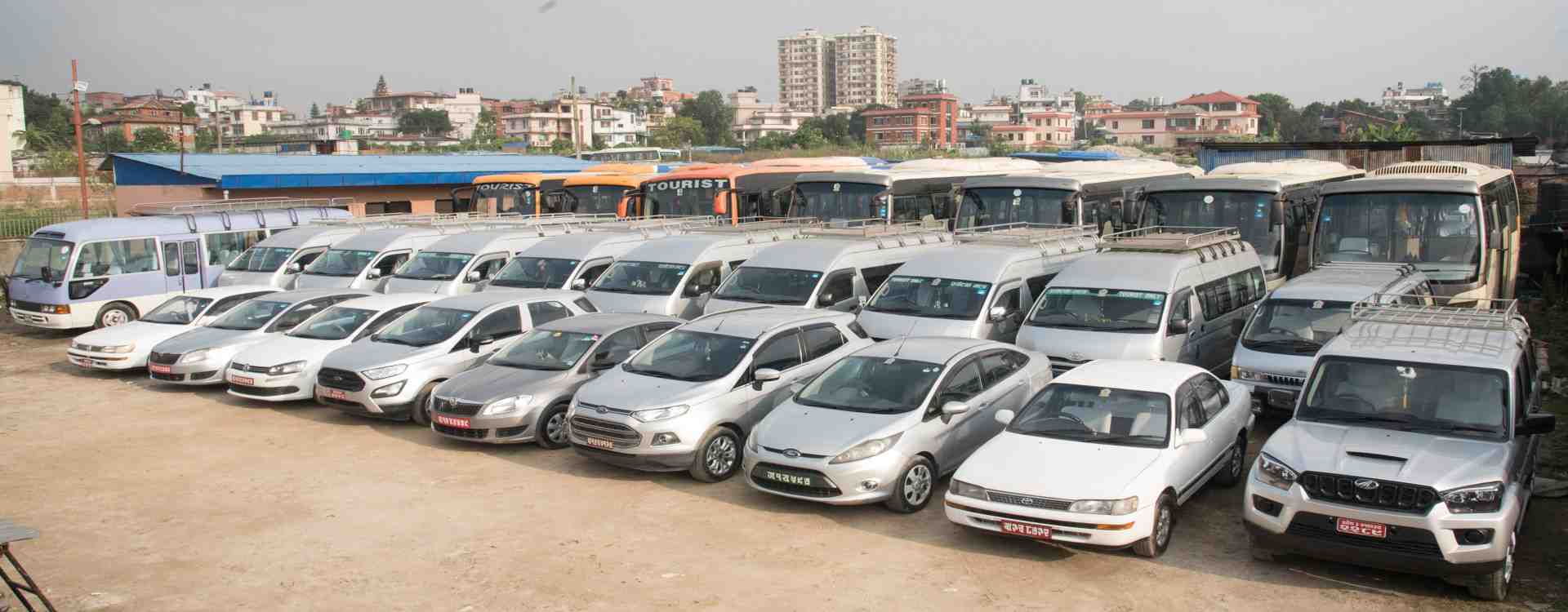
100+ vehicle fleet, including Land Cruisers and 4WD jeeps
In-house garage at Tinkune – every vehicle is inspected before mountain trips
Experienced mountain drivers who know the Marsyangdi valley road
Daily road checks and safe, flexible planning during monsoon
Transparent pricing – no hidden charges
24/7 support throughout your journey
Frequently Asked Questions
Is the road from Besisahar to Manang open?
The road is generally open in spring and autumn, but landslides can close it temporarily, especially during and just after the monsoon. In late September 2026 it was blocked for six days and reopened on 3 October 2026. We check the current status before every trip.
How long does it take to drive from Besisahar to Manang?
Usually 6–9 hours for about 95–100 km. Road works, landslides and two-way traffic on narrow sections can add time. Many travelers break the drive with a night in Chame.
Is the Besisahar to Manang road dangerous?
It is a challenging mountain road with narrow cliff sections and steep drops, so it should only be driven in a 4WD vehicle by an experienced local driver. Traveling in the dry season, starting early and avoiding heavy rain all reduce the risk.
Can a car or normal van go to Manang?
No. Beyond Besisahar the road is unpaved, steep and rough. A 4WD jeep or Land Cruiser is required.
How far is Manang from Kathmandu by road?
About 270–280 km. The drive usually takes 12–15 hours in total, so most travelers split it over two days.
Do I need a permit to drive to Manang?
Yes. Foreign visitors need an Annapurna Conservation Area Permit (ACAP), which is checked along the route. We'll confirm the current permit rules when you book.
Can I hire a jeep from Pokhara to Manang?
Yes. We arrange private jeeps from Pokhara to Manang via Besisahar, as well as return pickups from Manang or Muktinath.
Can you pick us up after the Annapurna or Manaslu trek?
Yes. We arrange pickups from Muktinath, Jomsom, Dharapani, Chame and Manang back to Pokhara or Kathmandu.
Plan Your Trip to Manang
Whether you're starting the Annapurna Circuit, heading to Tilicho Lake or simply want to see the Manang valley by road, the right vehicle and the right driver make all the difference.
Send us your travel dates and route today, and the Nepal Tourist Vehicle team will reply with jeep availability, current road conditions and a clear quote.
Head Office: Kesharmahal, Kathmandu, Nepal Garage & Service Center: Tinkune, Kathmandu, Nepal Website: www.nepaltouristvehicle.com
Travel with confidence. Travel with Nepal Tourist Vehicle.
Explore Similar Travel Guide
02 Aug 2025


16 Aug 2026